50 Best Things To Do in Muscat
Getting oriented in Muscat
Muscat sprawls along Oman's northern coast in a series of distinct districts rather than one compact center. Mutrah is home to the old souk, corniche and harbor; Old Muscat holds the Sultan's palace and coastal forts; and the newer districts around Qurum and Al Khuwair have the marinas, malls and beach parks. Most visitors base themselves somewhere central and use taxis, ride-hailing apps or organized tours to cover the rest, since distances between districts are often too far to walk.
Cultural landmarks worth prioritizing
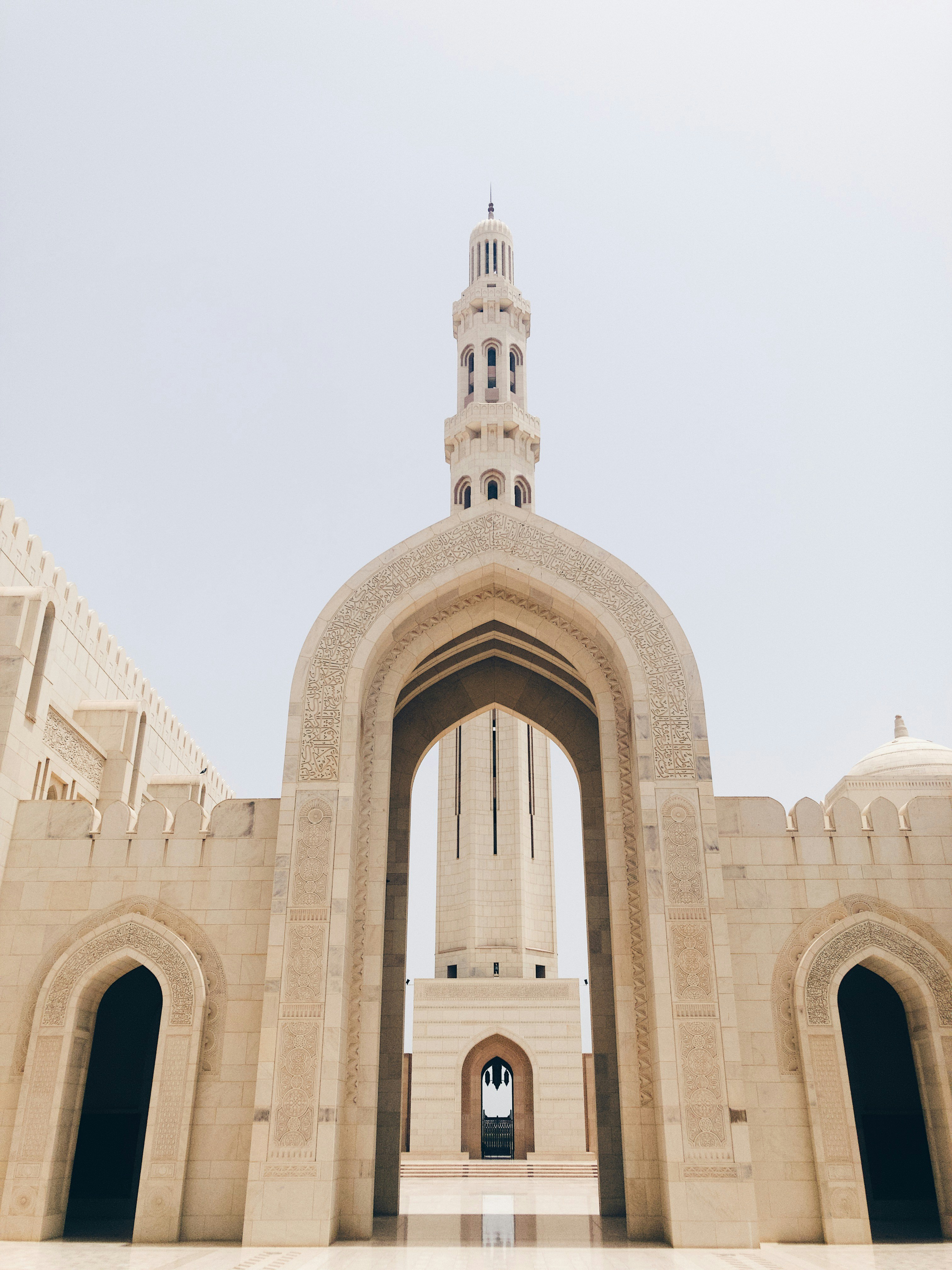
The Sultan Qaboos Grand Mosque is the city's most visited landmark, notable for its hand-knotted carpet and enormous chandelier in the main prayer hall, and is open to non-Muslim visitors on specified mornings with a modest dress code. The Royal Opera House Muscat hosts touring international performances in a building that blends contemporary design with traditional Omani stonework. In Old Muscat, Al Alam Palace and the twin hilltop forts of Mirani and Jalali make for a scenic, if mostly exterior-only, stop.
Mutrah Souk and the Corniche
One of the oldest marketplaces in the Arabian Peninsula, Mutrah Souk is a warren of covered lanes selling frankincense, textiles, silver and souvenirs. It's busiest — and most atmospheric — in the early evening. A stroll along the adjacent Corniche, with the harbor on one side and mountains rising behind the old townhouses on the other, is one of the simplest and most rewarding free things to do in the city.
Day trips beyond the city
Some of Muscat's best experiences are technically outside city limits. Wadi Shab, roughly a 90-minute drive south, offers a hike and swim through a canyon of turquoise pools. Nizwa and Jebel Akhdar combine a historic fort and souk with a scenic drive up into terraced mountain villages. Both are typically visited as full-day guided trips, since public transport options are limited and driving requires some local knowledge (a 4x4 for Jebel Akhdar in particular).
Beaches, islands and the sea
Muscat's relationship with the sea is central to the city's appeal. The Daymaniyat Islands, a protected marine reserve about an hour offshore, offer some of the best snorkeling in the Gulf of Oman. Closer to the city, sunset dhow cruises and dolphin-watching trips depart regularly from the marinas, and several beach clubs and public beaches are popular for a relaxed afternoon.
How to plan your time
For a short stay of two to three days, it's worth splitting time between a city-focused day (mosque, souk, corniche) and at least one full-day trip outside Muscat, since the coastal wadis and desert landscapes are a major part of what draws visitors to Oman in the first place. See our related guides below for tour comparisons on each of these experiences.
Frequently asked questions
Most visitors spend two to four days in Muscat itself, often combined with additional day trips or an overnight desert stay.
Related articles
Best Wadi Shab Tours From Muscat
Everything you need to know before booking a Wadi Shab tour, plus a side-by-side look at the main options from Muscat.
Muscat 3-Day Itinerary
A day-by-day plan for spending three days in Muscat, balancing city sightseeing with a trip outside town.
Free Things To Do in Muscat
Muscat has plenty to offer without spending a rial — here are the best free and low-cost things to do.